
FlowGuard — Sprinkler Systems
Irrigation Backflow Testing
Irrigation systems are the number-one reason Lake Stevens homes have backflow assemblies. The PUD's service agreement is explicit: where irrigation exists, you need an approved device plus annual testing at the owner's expense. With new landscaped lots going in across Cavalero Hill and South Lake Stevens, irrigation assemblies are the bulk of what gets tested in the 98258 area.
If you need irrigation backflow testing in Lake Stevens, WA, timing matters: test at spring startup, when the system is pressurized for the season. That's when freeze damage from winter shows up — and catching a cracked assembly in April beats discovering it in July. FlowGuard tests the assembly, files the report with the PUD, and tells you straight whether anything needs attention before the watering season.
One practical tip: combine the test with your sprinkler startup service. The system needs to be pressurized for the test anyway, and your irrigation company is likely on site in spring already. One appointment window, two jobs done — just make sure the tester has clear access to the assembly.
FlowGuard — Sprinkler Systems
How Irrigation Backflow Testing Works
- Locate the assembly
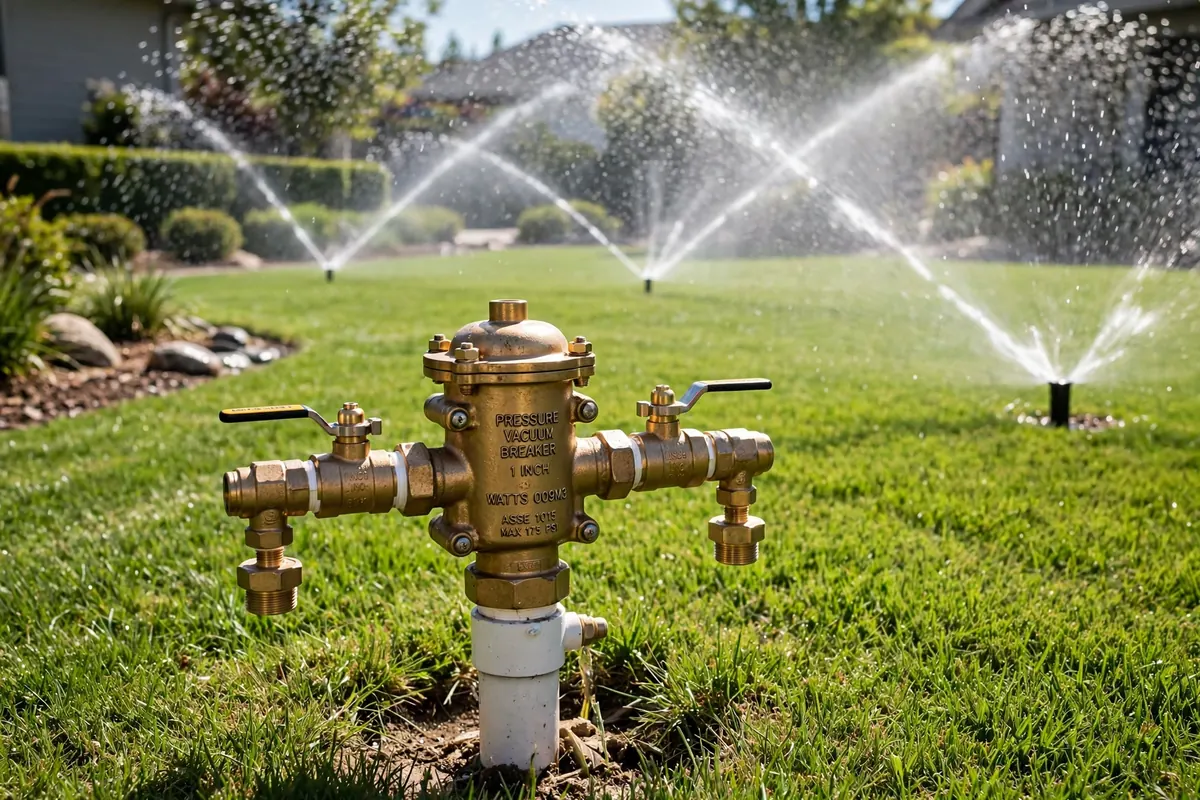
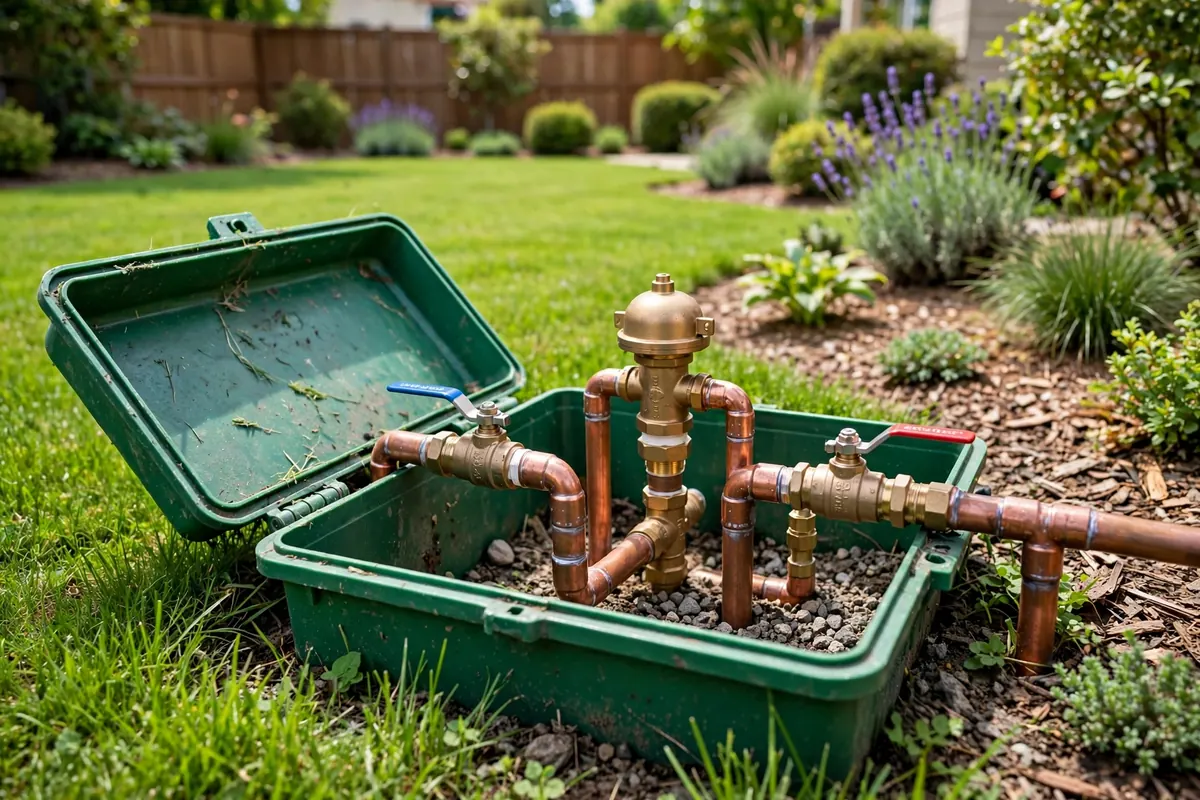
Most residential irrigation assemblies are pressure vacuum breakers — a brass device, usually near where the irrigation line branches off your water service, often on the side of the house or in a valve box. We'll confirm the type before testing.
- Test at startup
Spring is the smart window: the system is being pressurized anyway, and any freeze damage from winter is visible. Testing then means one visit covers both the seasonal check and the annual compliance test.
- Run the field test
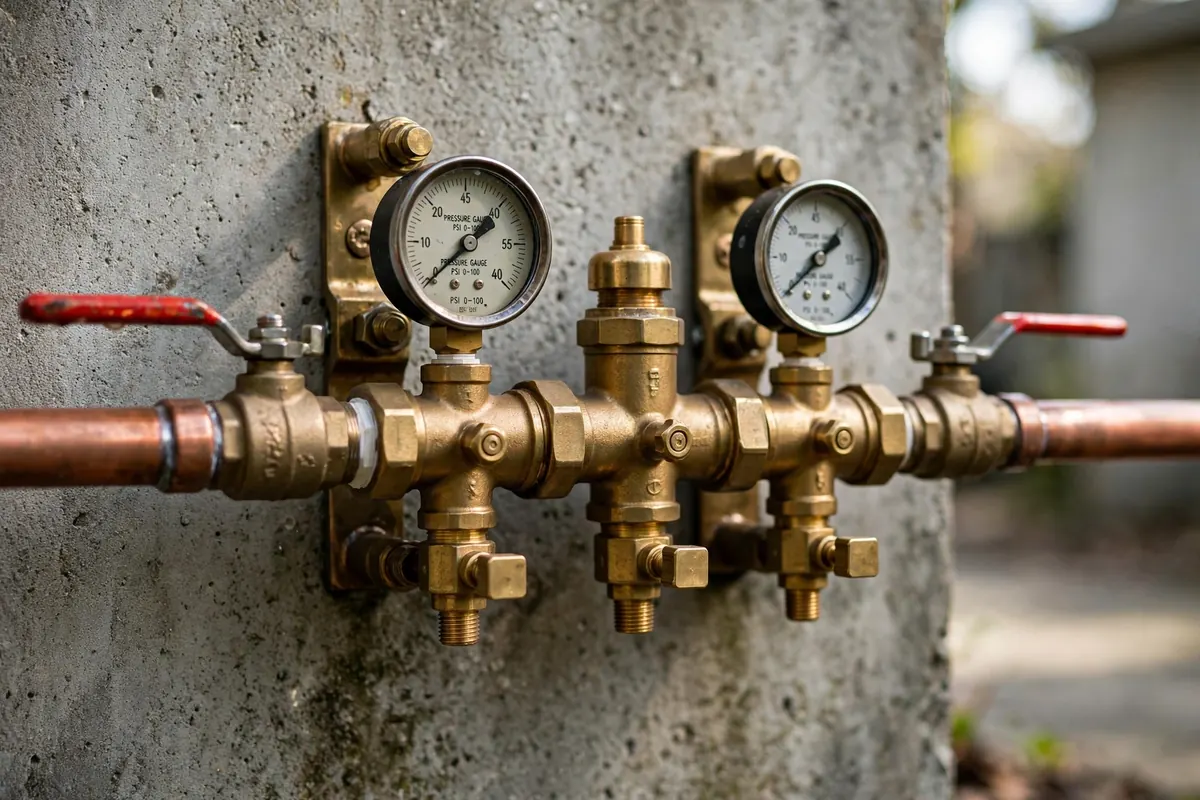
The standard procedure — identify, shut off at the assembly's valves, flush test cocks, attach the calibrated gauge, measure each check valve. For a PVB, that includes the air-inlet opening point.
- File the report
The completed report goes to Snohomish County PUD as your compliance record for the year. You keep a copy with your home records.
FlowGuard — Sprinkler Systems
Irrigation Backflow Testing — What to Expect
A note on winterizing: if your sprinkler company blows out the lines with compressed air each fall, know that a pressure vacuum breaker does not protect against compressed-air winterizing — the state lists it among the things a PVB can't handle, along with backpressure and elevated piping. A double-check valve assembly is the minimum protection there. If you're unsure what's on your system, we'll identify it during the visit.
And if the irrigation system is no longer in use — capped heads, dead zones, a yard gone back to lawn — you may still owe the annual test until the assembly is properly removed from service. Our winterization guide covers the seasonal routine; for dormant systems, talk to us about the capping-off path before you stop testing. Failed your test? See what happens next.
If your system uses drip zones, the assembly requirement is the same — the PUD cares about the cross-connection, not the emitter type. And if you've converted lawn to garden beds, the assembly stays until the irrigation connection is properly capped and the PUD signs off on the change.
Irrigation Backflow Testing — FAQs
When should I schedule irrigation backflow testing?
Spring, at or just after system startup. The assembly needs water pressure to be tested, winter freeze damage is visible then, and one visit covers both the seasonal check and your annual compliance test for the PUD.
My sprinkler company blows out the lines with compressed air — does that matter?
It matters for device selection. A pressure vacuum breaker does not protect against compressed-air winterizing (or backpressure, or elevated piping) — the state's irrigation guidance says a double-check valve assembly is the minimum there. If your system is winterized with air and you have a PVB, that's worth a conversation.
My irrigation system is no longer in use — do I still have to test?
Usually yes, until the assembly is properly taken out of service. The testing obligation follows the assembly, not whether you run the sprinklers. The capping-off path — having the connection properly capped — is what ends it; check with the PUD on what they require for your service.
What's the most common irrigation assembly in Lake Stevens?
The pressure vacuum breaker, on residential systems without chemical injection. It's the brass device you'll see on the side of many Lake Stevens homes, installed at least 12 inches above the highest point of irrigation piping. All three testable types — PVB, DCVA, RPBA — need annual testing.
Can you test in the rain?
Yes. Assemblies live outdoors, and wet weather doesn't affect the gauge or the procedure — testers work through Lake Stevens springs in rain gear without issue. Only hard freezes stop us, since the assembly needs water in it to be tested and ice in the lines makes readings meaningless.
Do I need to be home for the test?
Not necessarily — the tester only needs access to the assembly. Many customers aren't home; we just ask that gates are unlocked and the device is reachable. You'll get the result afterward, and the report is filed with the PUD either way, and your copy follows whenever you need it.