
FlowGuard — Repairs
Backflow Preventer Repair
Backflow assemblies fail for ordinary reasons: grit lodged under a check disc, rubber discs and O-rings hardened with age, springs that have lost tension, a worn relief-valve diaphragm — and in the Pacific Northwest, freeze damage that splits brass over winter and shows up at spring startup. A failed test just tells you which part isn't holding; the repair fixes it.
When you need backflow preventer repair in Lake Stevens, WA, FlowGuard diagnoses the failure, rebuilds the assembly with original-manufacturer parts, and retests it — because a repair only counts once the retest passes and the report is filed with the PUD. If the assembly can't be repaired with factory parts, we'll say so and talk replacement instead of selling you parts that won't hold.
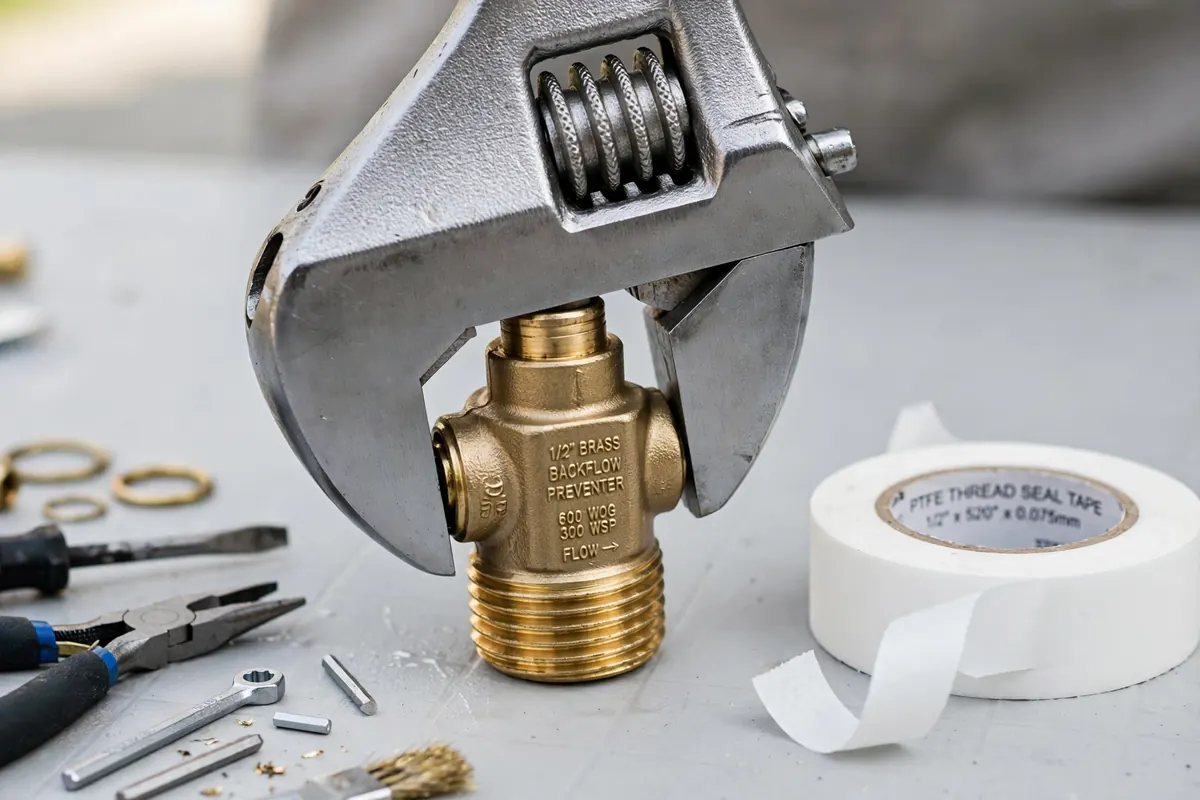
The most common repair we do is also the simplest: a rebuild kit — new rubber, new springs — on an assembly that's just aged out of spec. It's routine work, done in a single visit, and the retest usually passes on the first try. Assemblies that genuinely need replacement are the exception, not the rule.
FlowGuard — Repairs
How Backflow Preventer Repair Works
- Diagnose the failure
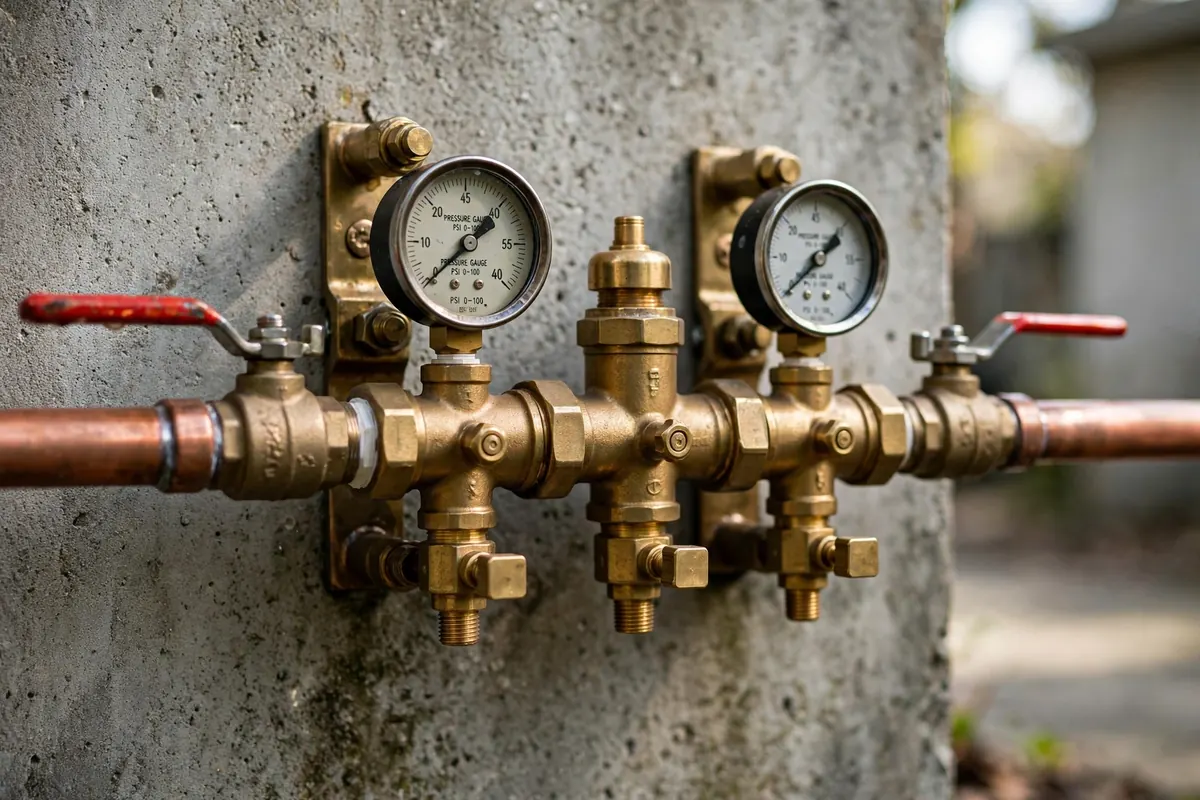
The field test pinpoints it: which check valve leaks, whether the relief valve opens at the right point, whether debris or wear is the culprit. You get the diagnosis in plain English before any work starts.
- Check parts availability
Washington requires repairs to use original-manufacturer parts — no generic substitutes. We confirm the right rebuild kit exists for your assembly's make and model before opening it up.
- Rebuild the assembly
The assembly is disassembled, cleaned, and rebuilt: new discs, O-rings, springs, seats, or diaphragm as needed. Everything goes back together to factory spec.
- Retest to compliance
The assembly is retested with the calibrated gauge. When it passes, the new report is filed with Snohomish County PUD — that's the moment the repair becomes compliance.
FlowGuard — Repairs
Backflow Preventer Repair — What to Expect
Repair isn't always the answer. State rules say an assembly must be replaced — not repaired — when it isn't an approved model and can't meet the conditions, when it's been moved, or when it can't be restored with original-manufacturer parts. The purveyor can also require replacement if the protection is inadequate for the hazard, and repeated failures can trigger more frequent testing — at which point a new assembly is usually the economical choice.
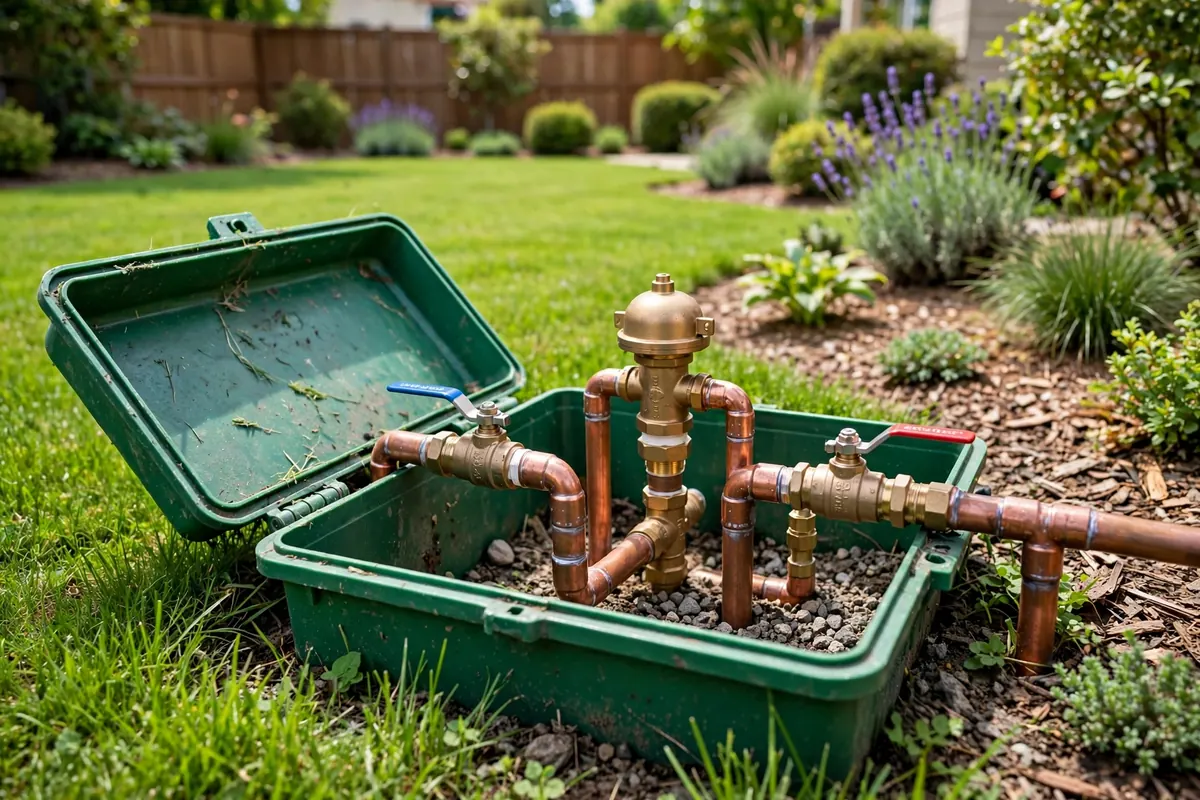
What to expect: the water feeding the assembly is shut off during the work, but the rest of your home's water stays on — irrigation assemblies sit on their own branch. Most rebuilds are done in a single visit, and you'll know the retest result before we leave. If your assembly failed its annual test, start with what a failed test means.
After any repair, watch the assembly through the next season. A rebuild that holds its test and stays dry is done; one that starts weeping again is telling you the body itself is tired. Either way, the annual test will catch it — which is exactly what the yearly cycle is for.
Backflow Preventer Repair — FAQs
Can any failed assembly be repaired?
No. Repair works when the assembly is an approved model and original-manufacturer parts are available to restore it. If the unit isn't an approved model, has been moved, or can't be rebuilt with factory parts, state rules require replacement instead.
My assembly leaks every spring — why?
That's the classic Pacific Northwest pattern: water left in the assembly freezes, expands, and cracks the brass body or damages internal parts. The leak shows up at spring startup. An insulated enclosure and proper winter draining prevent most of it — see our winterization guide.
Do you use generic or aftermarket parts?
Original-manufacturer parts only. Washington's rules require it — repairs must restore the assembly with parts from the original manufacturer — and it's also what makes the repair hold. Generic internals can change how the valves seat, which is exactly what the test measures.
Will my home's water be off during the repair?
Only the line feeding the assembly. Irrigation assemblies sit on their own branch off your water service, so shutting the assembly's valves doesn't affect the house. The water to the assembly goes back on as soon as the retest is done.
How long does a repair take?
Most rebuilds are completed in a single visit — disassemble, clean, install the new parts, reassemble, retest. You'll know the retest result before we leave. If the assembly turns out to be unrepairable, we'll explain why and talk through replacement options rather than leaving you hanging. If we need to order a rebuild kit for an uncommon model, we'll tell you upfront and schedule the return visit — the most common kits are kept on hand.
My assembly failed again right after a repair — what now?
First, the retest after a repair should confirm the fix — if it doesn't pass, the diagnosis gets revisited, not the invoice. A repeat failure soon after a rebuild usually points to a deeper issue: a scored seat, a warped body, or damage the rebuild couldn't address. That's when the conversation turns honestly to replacement.