
FlowGuard — Compliance Reports
Backflow Certification
Backflow certification is what you have once an assembly passes its field test and the passing report is on file with your water purveyor. It's not a sticker or a plaque — it's documented proof, renewed every year, that your assembly is doing its job. In Lake Stevens, that report goes to Snohomish County PUD, which keeps it as your compliance record.
If you need backflow certification in Lake Stevens, WA, FlowGuard handles the whole chain: the field test, the completed report, and filing it with the PUD. You get a plain-English explanation of the results and a copy for your records — which is what the PUD will ask for if your compliance ever comes up. Start with how the test itself works.
Timing matters more than people think. If the PUD has sent you a notice, the clock is already running — schedule the test rather than waiting for a second letter. And if you're selling your home, a current test report is one less thing for the buyer's inspector to flag.
FlowGuard — Compliance Reports
How Backflow Certification Works
- Schedule the test
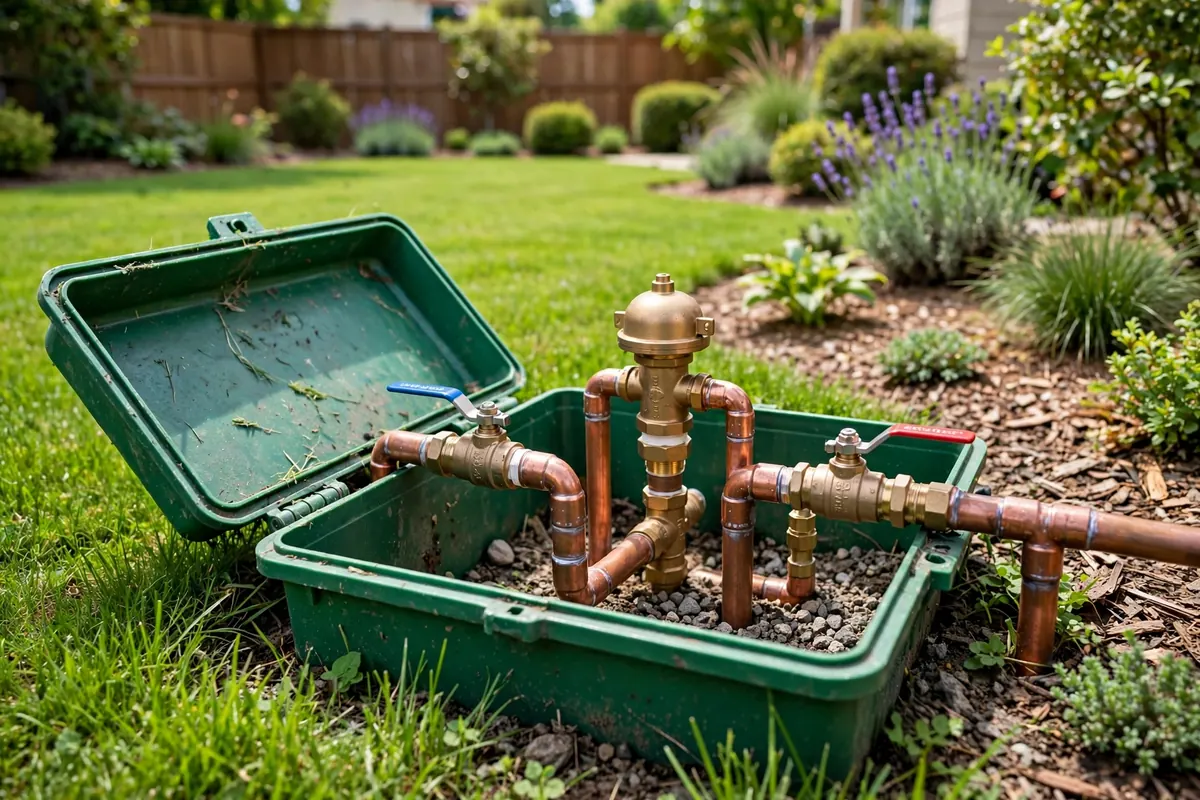
Call (425) 548-1928 and tell us about your assembly — most Lake Stevens homes have one on the irrigation system. We'll confirm the visit and ask that the assembly be accessible: clear of landscaping, storage, and locked gates.
- Run the field test
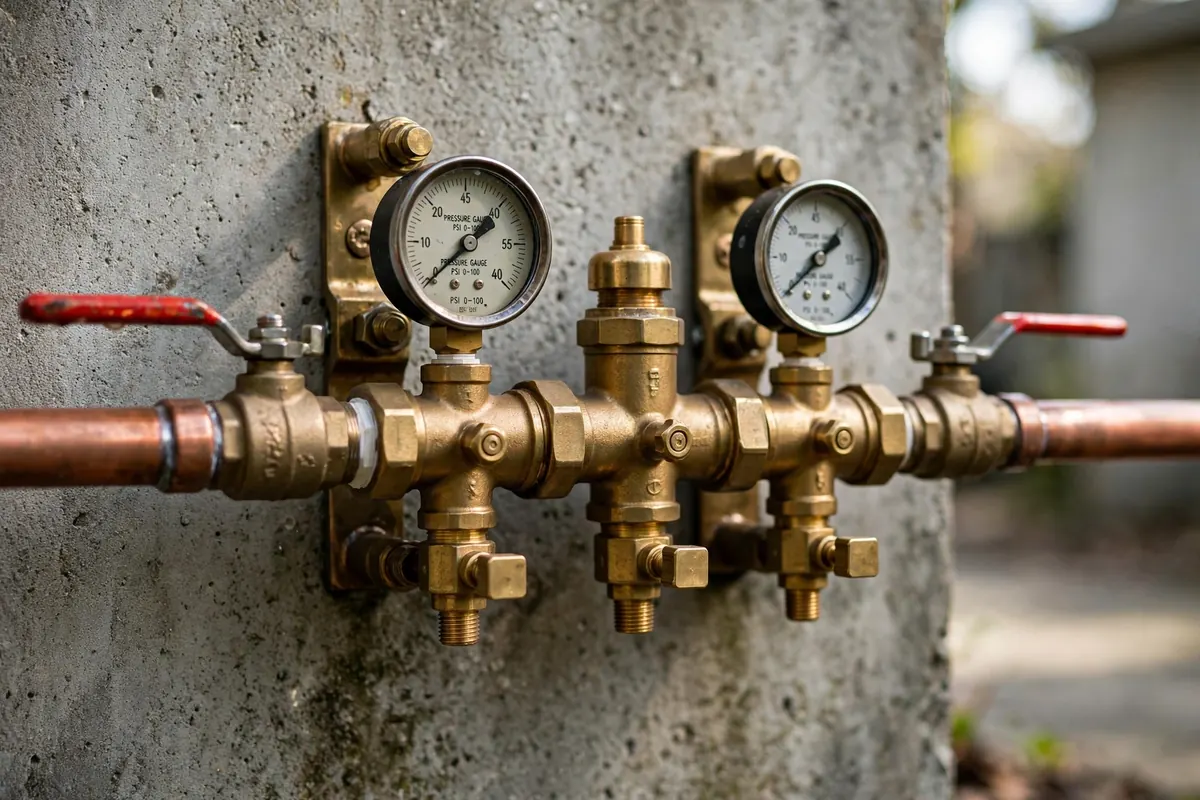
The tester runs the full procedure for your assembly type — check-valve differentials, relief-valve opening point on RP assemblies, air inlet on PVBs — using a calibrated differential-pressure gauge and following the test methods Washington's Department of Health accepts.
- Complete the documentation
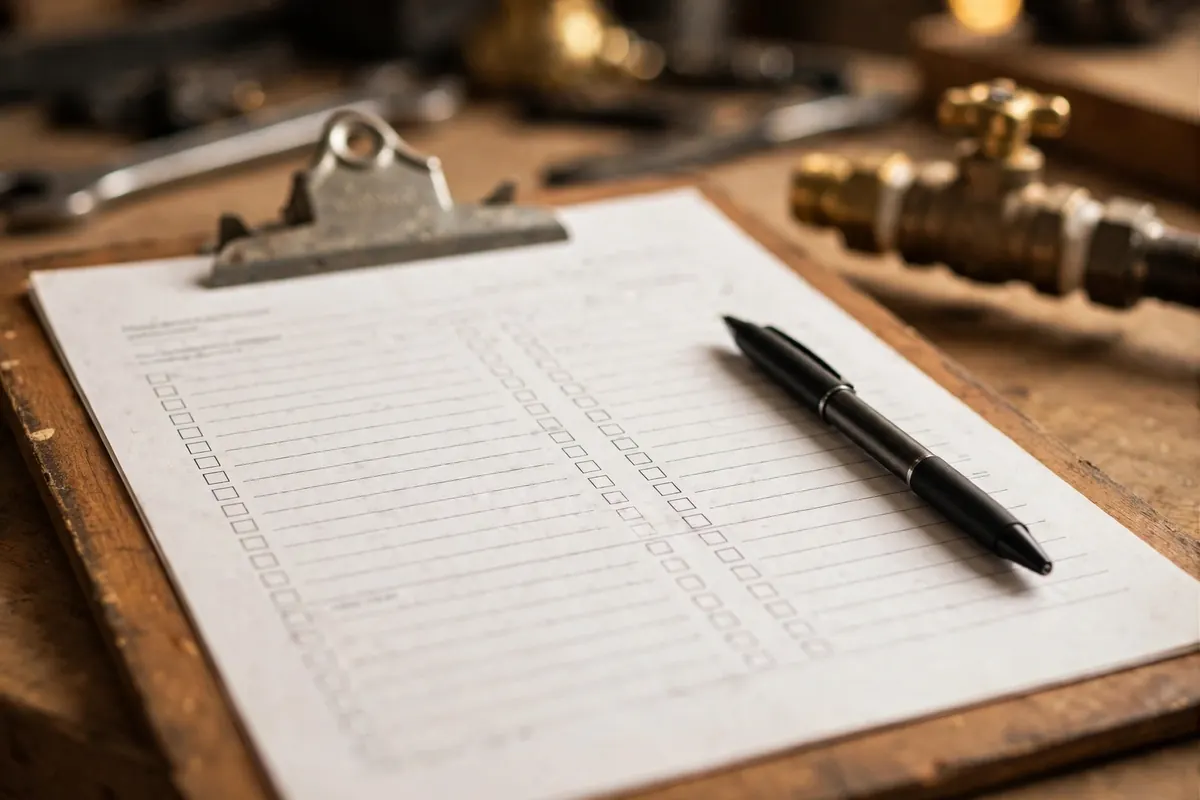
Every reading goes on the formal test report: assembly make, model, size, and serial number, initial and final test results, the test kit's serial number and calibration date, and the tester's certification details.
- File with the PUD
The report is filed with Snohomish County PUD as your compliance record for the year. You keep a copy too — if the PUD sends a notice about your assembly, the filed passing report is your answer.
FlowGuard — Compliance Reports
Backflow Certification — What to Expect
One thing to know upfront: an assembly that fails its test can't be certified until it's fixed. Certification follows a passing retest — so if the first test finds a leaking check valve or a tired relief valve, the path is repair (or replacement), then retest, then the passing report gets filed. Nothing about the paperwork changes; the test just has to pass first.
Keep your reports year to year. A simple folder — paper or digital — with each annual report makes it easy to answer any PUD inquiry and to spot patterns, like an assembly that starts failing every spring. That's often the first sign it's time to talk about replacement.
A note for landlords and property managers: the testing obligation follows the property, not the tenant. If you rent out a Lake Stevens home with irrigation, the annual test — and the filed report — is your responsibility. We can coordinate access with tenants directly.
Backflow Certification — FAQs
Is certification the same as testing?
Testing is the procedure; certification is the outcome. The field test measures whether your assembly works. Certification is the documented, filed passing result — the report sitting with Snohomish County PUD that says your assembly passed this year.
How do I prove I'm in compliance?
With the test report. The PUD keeps the filed report as your compliance record, and your own copy backs it up. If you ever receive a notice about your assembly, the most recent passing report is what resolves it. The report lists the assembly's make, model, and serial number alongside every test reading, so there's no ambiguity about which device it covers. If you're refinancing or selling, lenders and buyers accept it as proof the water-system protection is current.
What if my assembly fails — can it still be certified?
Not until it's fixed and passes a retest. A failed assembly needs repair or replacement first — see what happens after a failed backflow test — and certification follows the passing retest, with the new report filed the same way.
How often does certification need renewing?
Every year. Snohomish County PUD requires annual testing at the owner's expense, and each passing test produces that year's report. Testing is also required any time an assembly is installed, repaired, reinstalled, or relocated.
I lost my test report — can I get a copy?
Yes. Your tester keeps records of the tests performed, and the PUD holds the filed report as your compliance record. If we did your test, call (425) 548-1928 and we'll pull your copy. Going forward, keep each year's report in one folder — paper or digital — so the history is always at hand.
Does certification transfer when I sell my home?
The filed report stays with the property's compliance record, so in practice, yes — hand your copies to the buyer as part of the home paperwork. The new owner then continues the annual cycle from the last test date. A current report is also one less question during the buyer's inspection. If the sale falls through, nothing changes — the report stays with the property regardless.