
FlowGuard — Next Steps
Failed Backflow Test
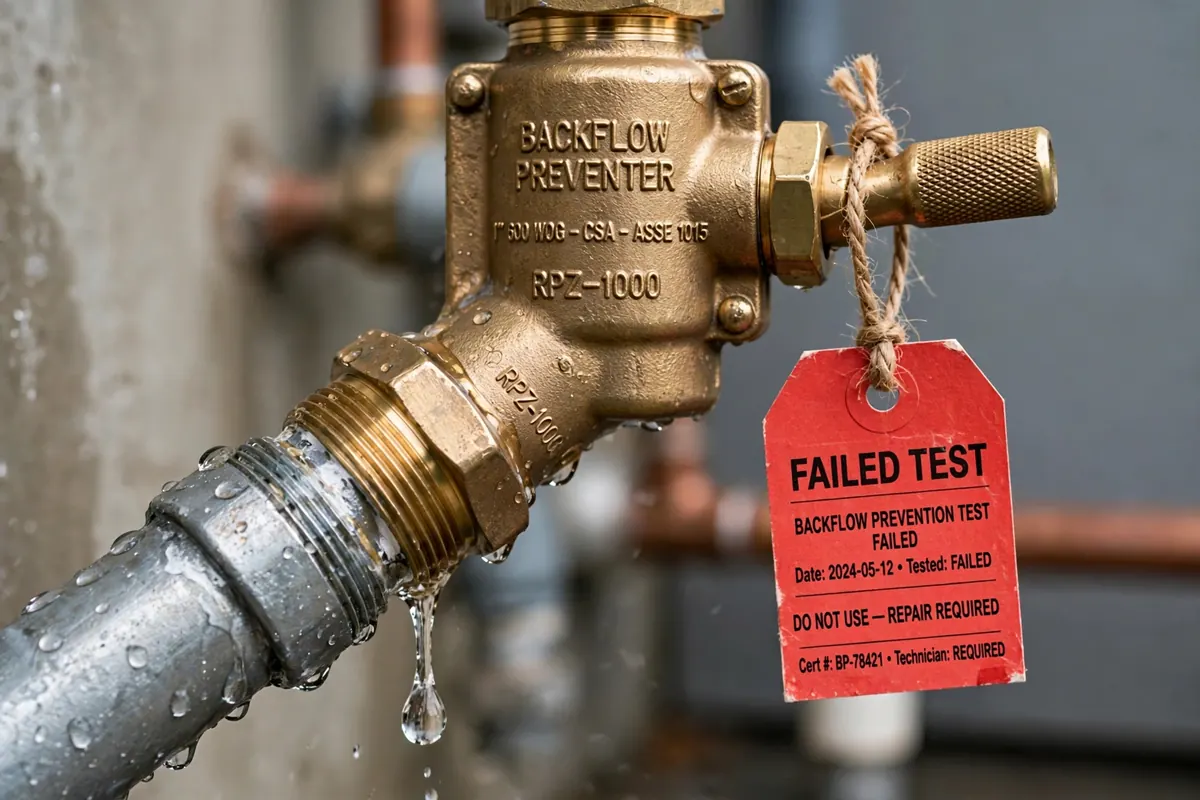
A failed backflow test isn't a fine and it isn't an emergency — it's information. It means one of the assembly's check valves (or the relief valve on an RP assembly) didn't hold during the field test, so the device can't be relied on to protect the water system right now. The fix is a defined process: diagnose the cause, repair or replace the assembly, retest, and file the passing report.
If you're dealing with a failed backflow test in Lake Stevens, WA, FlowGuard walks you through that process start to finish. Most failures come down to debris under a check disc or worn rubber and springs — both repairable with original-manufacturer parts. When repair isn't possible, we'll tell you plainly and talk replacement. Either way, the goal is the same: a passing retest on file with Snohomish County PUD.
It's also worth knowing what a failed test is not: it's not a citation, not a fine, and not a mark against you. Testers see failed assemblies every week — it's the normal reason repairs exist. The only real mistake is ignoring the report.
FlowGuard — Next Steps
How Failed Backflow Test Works
- Understand the failure
The test report shows exactly what didn't hold — which check valve leaked, whether the relief valve opened at the wrong point, whether debris or wear is the likely cause. That diagnosis decides everything that follows.
- Get your options
Repair is the answer when the assembly is an approved model and original-manufacturer parts can restore it. Replacement is required when it isn't — unlisted units, moved assemblies, or damage beyond what factory parts can fix.
- Approve the work
You'll know the plan and the reasoning before anything is touched: what's being replaced inside the assembly, or why a new unit is the right call. No surprises.
- Retest and file
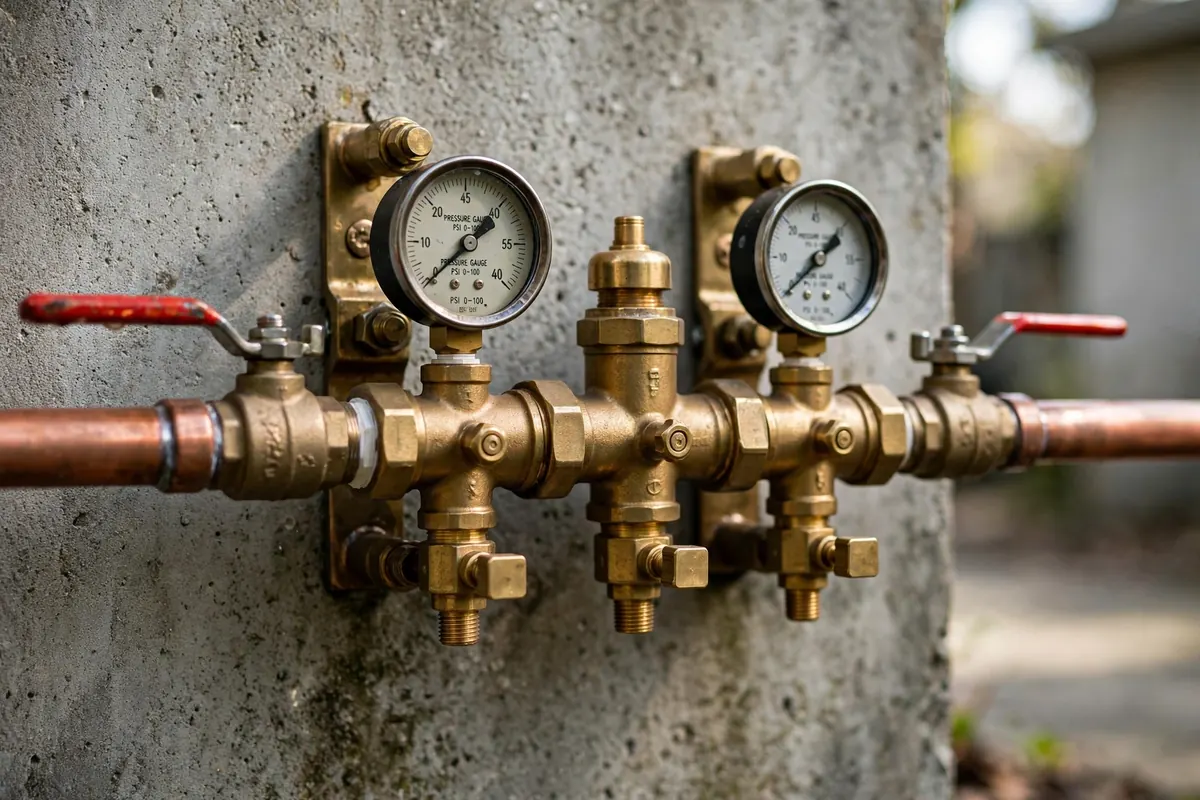
After the work, the assembly is retested with the calibrated gauge. The passing report is filed with the PUD — and that's the moment you're back in compliance.
FlowGuard — Next Steps
Failed Backflow Test — What to Expect
What about your water in the meantime? A failed test starts a repair timeline, not an instant shutoff — but the PUD can disconnect domestic service if a cross-connection hazard goes uncorrected, so prompt action is the move. Don't let a failed report sit in a drawer.
One more thing worth knowing: if an assembly keeps failing, the purveyor can require testing more often than annually. At that point, replacement usually beats paying for repeated repairs and retests. Start with how repairs work, and read the full failed-test walkthrough for the complete picture.
If your test was done by someone else and you'd like a second set of eyes, we can retest. Test readings are measurements, not opinions — a second test either confirms the failure or it doesn't. Either way, you'll know where you stand. Call (425) 548-1928.
Failed Backflow Test — FAQs
Will my water be shut off because my test failed?
Not on the spot. Shutoff is the PUD's tool for hazards that go uncorrected — the failed test starts a repair timeline. Fix it promptly, get the passing retest filed, and there's no interruption.
How long do I have to fix a failed assembly?
The PUD sets the timeline for your situation, so treat it as soon, not someday. The practical answer: schedule the repair or replacement right away — every week it sits is a week you're out of compliance.
Can a failed assembly be repaired, or must it be replaced?
Often repaired. Debris under a check disc, worn discs, O-rings, springs, seats, or a tired diaphragm are all rebuildable with original-manufacturer parts — followed by a retest. Replacement is required when the unit isn't an approved model, has been moved, or can't be restored with factory parts.
Does a failed test automatically mean I need a whole new assembly?
No. Many failures are a cleaning or a rebuild kit away from passing. Replacement earns its keep when the assembly is unrepairable, unlisted, or failing repeatedly — see repair vs. replace.
The previous owner failed the test — am I responsible now?
The obligation follows the property, so yes — but the fix is the same regardless of who owned it when it failed. Get the assembly repaired or replaced, pass the retest, and file the report: that starts your own clean compliance record. If you're buying, ask the seller to handle it before closing. Ask the seller for any prior test reports during inspection, too — they show the assembly's history and whether this failure is a first-time event or a pattern. A pre-purchase inspection that includes the backflow assembly can catch this before it becomes your problem.
Can I get a second opinion on a failed test?
Yes. Test readings are measurements, not opinions — another certified tester can retest the assembly, and the second test either confirms the failure or it doesn't. If your test was done elsewhere and you'd like us to take a look, call (425) 548-1928. Keep the original test report handy — the readings tell the second tester exactly what to re-check, which makes the retest faster and more useful.