
FlowGuard — New Installs
Backflow Preventer Installation
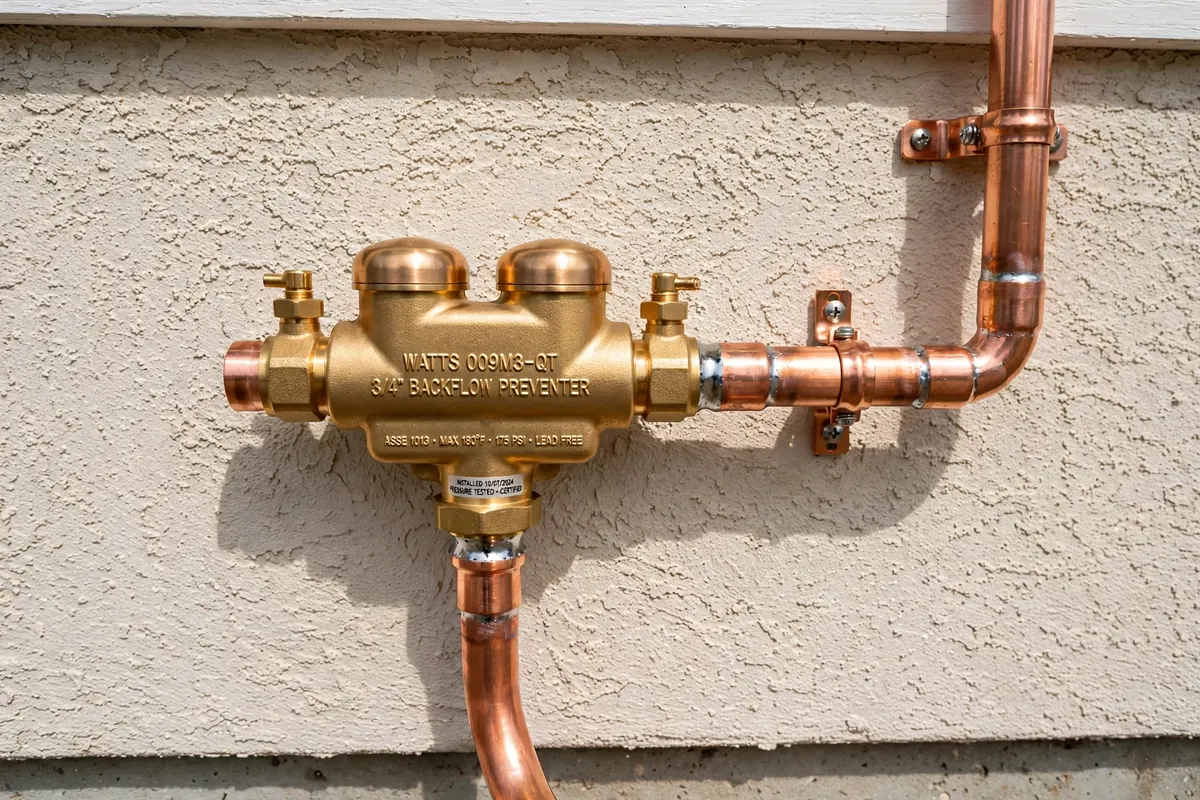
Every new water service in Lake Stevens that includes irrigation — or a pool, boiler, fire sprinkler, booster pump, hydronic heating, or similar hazard — triggers the same sequence from Snohomish County PUD: a cross-connection inspection, an approved backflow device, and annual testing at the owner's expense. With new subdivisions rising across South Lake Stevens and infill going in everywhere else, new assemblies go in all year.
If you need backflow preventer installation in Lake Stevens, WA, FlowGuard sizes the assembly to the hazard: a pressure vacuum breaker for straightforward residential irrigation, a double-check valve assembly where the layout demands it, or a reduced-pressure assembly for high-hazard setups like chemical injectors. Installed for accessibility, protected against freezes, and tested on day one — because the state requires a test upon installation, with the report filed to the PUD.
Sizing matters. An undersized assembly restricts flow to your irrigation zones; an oversized one costs more than the job needs. We match the assembly size to your service line and demand — the same consideration a good irrigation contractor applies to the rest of the system.
FlowGuard — New Installs
How Backflow Preventer Installation Works
- Assess the hazard
What's downstream decides the device. Plain irrigation without chemical injection is the common residential case; add a fertilizer injector, a booster pump, or a boiler and the hazard level — and the required assembly — changes.
- Select the assembly
PVB for residential irrigation without chemicals, installed at least 12 inches above the highest point of piping. DCVA where irrigation runs without injection and the layout suits it. RPBA where the hazard is high — the highest level of protection of the three.
- Install for the long term
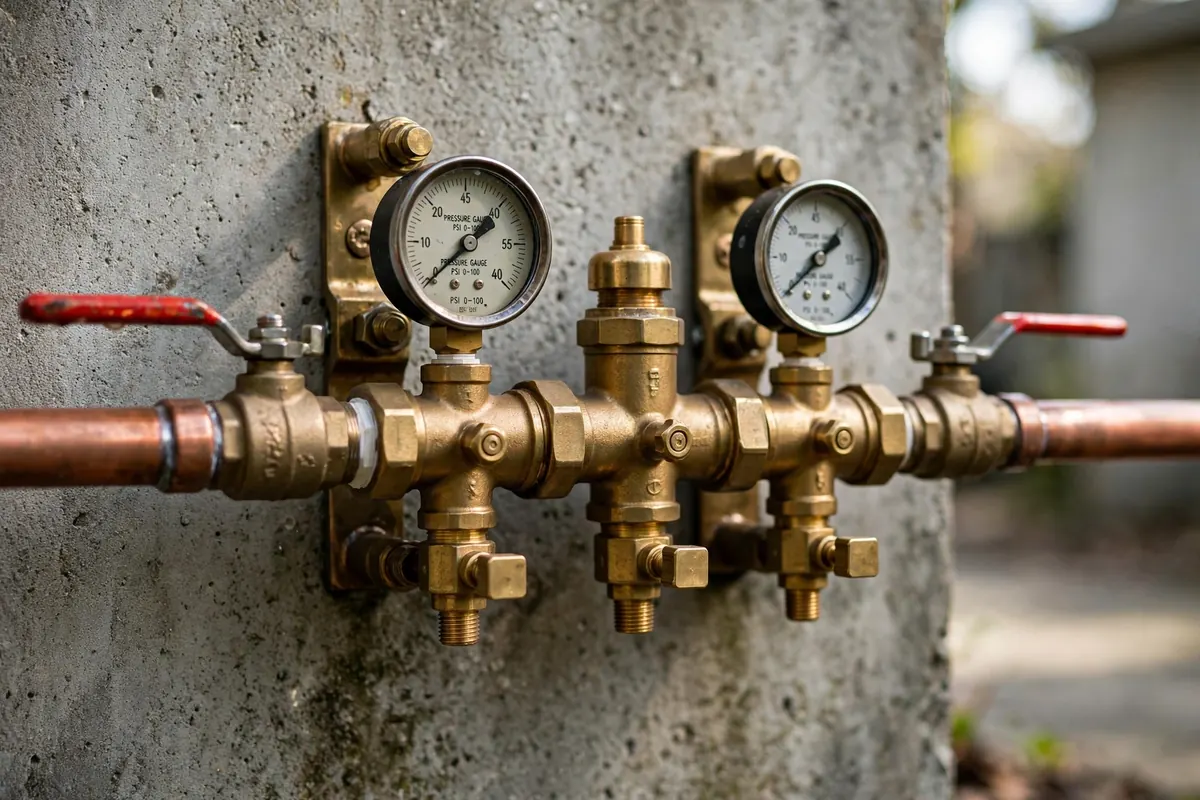
Placement follows the rules for the type: above ground where required, test cocks accessible, and freeze protection planned from the start — an insulated enclosure for exposed assemblies, since Lake Stevens freezes.
- Test and certify
The state requires a test upon installation. We run the full field test, complete the report, and file it with Snohomish County PUD — so your new assembly starts its life certified, with the annual cycle beginning from there.
Need Backflow Preventer Installation?
Call FlowGuard and tell us what's going on.
FlowGuard — New Installs
Backflow Preventer Installation — What to Expect
What to expect: we'll confirm the assembly location with you before work starts — it needs to stay accessible for every future annual test, so burying it behind a new shed is out. The PUD's cross-connection inspection is part of new services; the installed assembly and its passing test report are what satisfy it.
And plan for winter from day one. An exposed brass assembly without freeze protection is a spring repair waiting to happen in the PNW. Our winterization guide covers the seasonal routine, and every install we do includes freeze protection in the plan. Replacing a failed unit? Read repair vs. replace first.
Keep the installation paperwork with your home records: the assembly's make, model, and serial number, the initial test report, and the install date. When the first annual test comes due — or when you sell the home — that folder answers every question.
Backflow Preventer Installation — FAQs
I'm building a new home with sprinklers — do I need a backflow preventer?
Yes. Under the PUD's service agreement, any new service with irrigation requires a cross-connection inspection, an approved device, and annual testing at the owner's expense. The assembly goes in with the irrigation system and gets its first test upon installation.
Where does the assembly go?
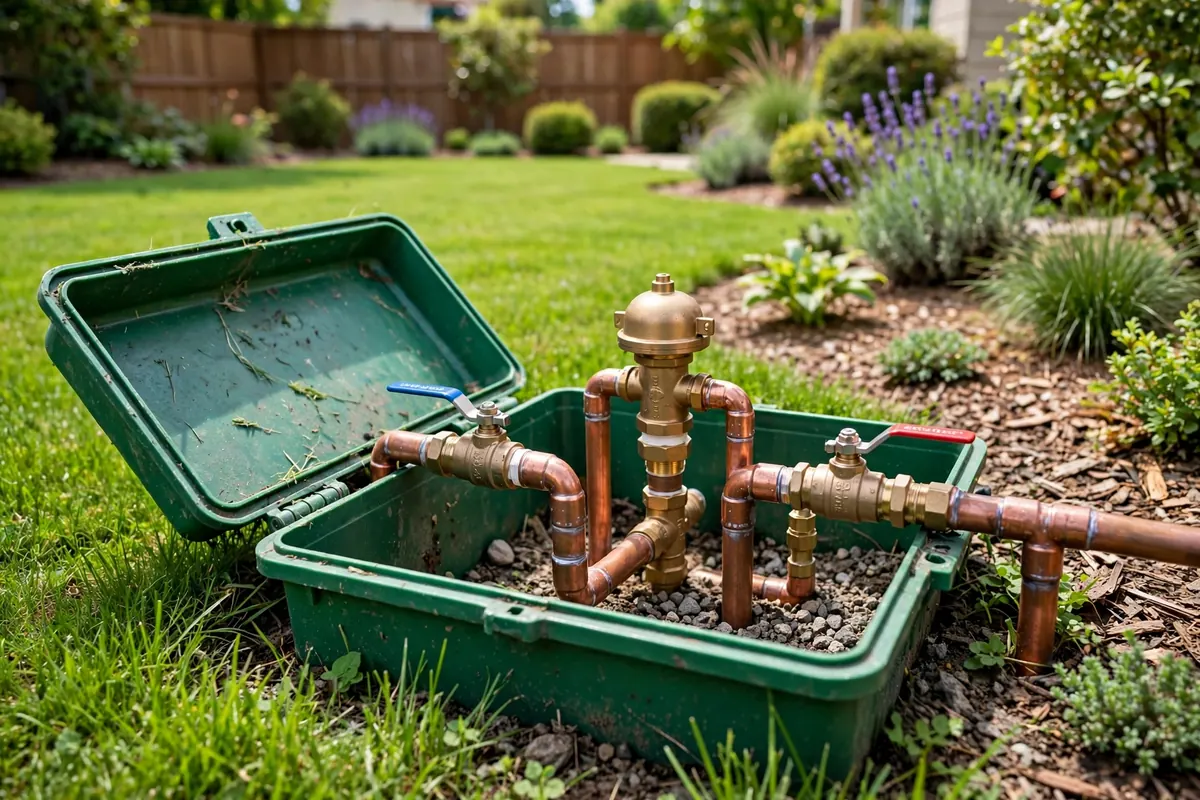
It depends on the type. A pressure vacuum breaker must sit above ground, at least 12 inches above the highest point of irrigation piping. A reduced-pressure assembly must also stay above ground so its relief valve can't submerge. A double-check assembly can go below ground if the test cocks stay plugged and accessible. All of them must remain accessible for annual testing.
Can I install it myself and just have it tested?
Many homeowners have the assembly installed and then schedule the required test separately. The test itself, though, must be performed by a Washington DOH-certified Backflow Assembly Tester — that's a distinct state credential, and the PUD only accepts reports from certified testers.
How do I protect a new assembly from freezing?
Insulated enclosures made for backflow assemblies are the standard fix for exposed units, plus draining the assembly before hard freezes. We plan freeze protection into every install — and our winterization guide walks through the seasonal routine.
How long does installation take?
Most residential installs are completed in a day, including the required initial test and the filed report. Larger or more complex setups — commercial services, multiple assemblies — can run longer, but you'll know the plan before work starts.
Will a new assembly affect my water pressure?
A properly sized assembly has minimal effect on your water pressure — that's part of why sizing matters. If your pressure was already low before the install, mention it: the fix is usually elsewhere in the system (a failing pressure regulator, for instance), not the new device. And if your irrigation zones seem weak after an install, the zone valves or nozzles are the usual suspects — not the assembly itself.